

Brief | Connecting Canadians: CAMP's submission to the Competition Bureau's study of airline competition
Canada is a country built on the movement of people, goods, and ideas across great distances. As one of the most geographically vast and least densely populated countries in the world, Canada has unique challenges in meeting its transportation needs, and air travel is a core component of doing so.
But today Canadians are not well served by a duopoly market increasingly dividing the country between two players. Without a change in trajectory, communities in Canada will increasingly resemble islands isolated from the rest of the country at great economic and social cost.
Canadians deserve an air transportation system that provides safe, affordable, and reliable access to communities across the country. In a submission to the Competition Bureau's study of airline competition in Canada, CAMP lays out potential policy directions for a fairer and more competitive air travel industry.
Read the full submission here

Letters: Break Up Interac?
December 15, 2024Welcome to Letters from CAMP, a newsletter on anti-monopoly activity in Canada and abroad, brought to you by the Canadian Anti-Monopoly Project. In this installment we have:
Let's dive in.
Getting Results: Interac Levels Playing Field Amid Antitrust ScrutinyInterac, the backbone of Canada’s e-transfer system, is pivoting from volume-based pricing that had long-favoured incumbents to a flat-fee model under mounting pressure from lawmakers. The move comes after MPs, led by Conservatives Michelle Rempel Garner and Adam Chambers, highlighted fee disparities where larger banks pay as little as six cents per transfer while smaller players pay up to 43 cents. This tiered pricing has drawn criticism from competing financial institutions for reinforcing the dominance of Interac’s founders and board members: Canada’s biggest banks. Following parliamentary scrutiny, the Competition Bureau confirmed it had opened an investigation into Interac’s practices, continuing a decades-long history between the payments system and Canada’s competition law. While a positive development, the move has correctly been seen as a defensive measure to forestall more structural changes like a break up between Interac and the big banks. Thankfully, federal MPs understand the conflict of interest at the heart of the Interac model. When the big banks own the rails, they will always have the incentive to disadvantage companies who rely on the same system to compete for customers. Lawmakers and regulators have tangled with this tension over infrastructure for decades in finance, telecommunications and transportation. Each time the lesson is the same: fair and open access to infrastructure is the surest way to support real competition and sometimes separations are necessary. CAMP is glad to see MPs keeping up the heat on such an important part of the financial system. The benefits to competition of a break up of Interac should be seen as a model for reform for other oligopolized sectors across the economy. While incremental reform can deliver results, durable monopolies will require more decisive action to unlock competition. 📚 What We’re Reading 📚
The State of Play in Canada's Network Media EconomyEvery year, the Global Media and Internet Concentration (GMICP) paints a vivid picture of the ongoing upheaval in Canada’s network media economy, where digital markets thrive while legacy media like cable TV and newspapers continue their decline. With a laundry list of statistics and market figures, the report charts important trends and serves as a rich resource for researchers and the interested public. Just one example: last year, telecom and internet services raked in $68.8 billion—more than double the combined revenues of digital and traditional content sectors. But despite this explosive growth, the dominance of telecom giants like Rogers and Bell looms large. These companies not only control the infrastructure underpinning digital platforms but also have a stranglehold on traditional broadcasting markets. The situation in the digital ad market, valued at $16.6 billion, is even more extreme. Revenue in the sector is overwhelmingly captured by global tech giants like Google and Meta, leaving Canadian media fighting for scraps. As digital and telecom industries converge, the risks of anti-competitive cooperation grow. The report warns of a “dance of titans,” where telecom and tech giants jockey for dominance, often at the expense of consumers and smaller competitors. Unless we turn the tide, the concentration of power in the network media economy risks undermining the very democracy it has long served to support. 📰 CAMP in the News 📰
FTC Notches Another Win With Kroger-Albertsons Merger BlockAs Lina Khan’s term as Chair comes to a close, the FTC cannot stop winning. Successfully halting the $25 billion Kroger-Albertsons merger this week, the agency notched a major win for American shoppers and independent suppliers. The decision, which cited significant risks to competition in over 1,000 communities, marks a critical victory for consumers still struggling with inflated grocery prices. In the past, Canadian enforcers have settled for remedies that allowed the merger to proceed with a handful of stores sold off to competitors, leaving the country with fewer choices overall. In blocking the merger outright, the FTC made a strong defense of competition when consumers need it most. But this victory comes at a moment of potential upheaval. The announcement of Andrew Ferguson as the next FTC Chair under President-elect Donald Trump signals a shift in the agency’s direction. A former Virginia solicitor general and Republican FTC commissioner, Ferguson has criticized Khan’s antitrust agenda as overreaching and vowed to adopt a more "pro-business" stance. His appointment raises questions about the fate of the FTC's pending cases against Amazon and Meta, as well as broader efforts to curb monopolistic practices. Ferguson’s agenda emphasizes fighting "woke" corporate policies and censorship, particularly targeting social media platforms for alleged suppression of conservative viewpoints. This tilt could deprioritize battles that benefit consumers and workers in favour of those that seek to score political points. Given the habit of regulators taking cues from peers, the direction of Ferguson’s leadership will have ripples beyond the U.S. The coming months will reveal whether the FTC’s hard-won momentum against corporate giants can endure this leadership change—or if the fight for fair competition will face new hurdles. If you have any monopoly tips or stories you'd like to share, drop us a line at hello@antimonopoly.ca
Follow CAMP on Twitter LinkedIn Instagram or Facebook |
Letters: Beyond Inflight Meals
December 8, 2024Welcome to Letters from CAMP, a newsletter on anti-monopoly activity in Canada and abroad, brought to you by the Canadian Anti-Monopoly Project. In this installment we have:
Let's dive in.
Google, Groceries, and Gas Stations: Competition for Everyday CanadiansIn an op-ed for the National Post this week, CAMP Executive Director Keldon Bester put the Competition Bureau’s landmark case against Google in the context of a broader shift towards competition law that matters for everyday Canadians. As a reminder, the case alleges that Google abused its dominance in online advertising—a $15 billion market in Canada—by throwing sand into the gears of competition at the expense of the economic engine of the internet. Rather than an abstract or distant market, online advertising serves as not only an important gateway for businesses of all sizes to reach their potential customers, but also the lifeblood of the news organizations that support Canada’s democracy. Weakened competition in online advertising means businesses pay more to reach customers, publishers receive less for their ad space, and middlemen like Google pocket billions. But the Google case is even more important as an example of a new era of competition law enforcement of Canada. The last time the Bureau went to court to fight an abuse of dominance, it was attempting to protect competition for inflight meals out of the Vancouver airport. Compare that today, where in addition to the Google case the Bureau is investigating how big grocers prevent competitors from setting up shop, algorithmic price fixing between gas stations, and rules that inflate the commissions Canadians pay on the purchase of a home. In each case, anticompetitive conduct has the potential to harm Canadians across the country, not just those deciding between the chicken and the pasta on their flight from the west coast. Canadians and their elected representatives put their trust in the Competition Bureau when they decided to grant them stronger powers under Canada’s competition law. To reward that trust, this new era of enforcement must become the norm rather than the outlier. 📚 What We’re Reading 📚
Australia Proposes New Digital Competition RegimeFor years now, Australia has been a leader in diagnosing and addressing the harms of monopolies in digital markets like search, social media, and app stores. This week, Australia took another step forward in that work with the release of a proposal for a new digital competition policy framework aimed at reining in dominant tech platforms. The proposed framework takes the approach of designating certain platforms as “gatekeepers” and imposing obligations on them to ensure fair competition. This allows for differentiation of obligations between types of platforms. While ad tech providers may face rules to prevent self-preferencing, app store operators could be required to allow alternative payment systems. These measures draw from international models like the E.U.’s Digital Markets Act and the U.K.’s Digital Markets, Competition, and Consumers Act, as opposed to frameworks that have leaned more on stepped up antitrust enforcement like those in the U.S. and Germany. As Canada continues to grapple with concentrated power in digital markets, it should watch Australia’s experiment closely. Though often placed in opposition, competition and regulation have a complementary role to play in supporting fair markets. Australia’s proposed framework is a reminder that partners around the world are starting to heed that lesson. 📰 CAMP in the News 📰Trump Puts Forward Big Tech Critic for DOJ AntitrustIn Washington, key antitrust leadership positions are up for grabs, and the stakes couldn’t be higher. This week brought some welcome news with Donald Trump’s nomination of Gail Slater, a JD Vance ally known for her stance against Big Tech, to head the Department of Justice’s antitrust division. The U.S. has become a global leader in antitrust enforcement under officials like DOJ antitrust head Jonathan Kanter and FTC Chair Lina Khan, who have spearheaded lawsuits against Google, Amazon, and other tech giants. But that leadership is at a possible inflection point with Trump’s return to the political stage. Thankfully, choices like Slater indicate that there may be more continuity on antitrust than expected, especially when it comes to tech giants. Still outstanding in the U.S. is Trump’s pick for FTC Chair. While candidates like attorney Mark Meador are well regarded in the anti-monopoly community, it remains to be seen if the choice of Slater is a one off or part of a broader pattern. As Canada’s Competition Bureau takes on Google, the uncertainty of the U.S. transition period underscores the importance of robust leadership and public support for assertive antitrust action. If you have any monopoly tips or stories you'd like to share, drop us a line at hello@antimonopoly.ca
Follow CAMP on Twitter LinkedIn Instagram or Facebook |

First Came Bread. Are They Fixing the Price of Meat and Potatoes Too?
The Hatchet
The price of food keeps rising. And for the last few years, we’ve had a national debate about whether or not that’s the fault of the mega grocery chains. But the CEOs of Loblaws, Metro and Sobeys claim that it’s not their fault. We should be looking further up the food chain for the real culprits.
They might have a point. Everywhere you look in the food industry, you’ll find rapacious corporate oligopolies. The grocery chains might have fixed the price of bread. But there’s credible accusations that other companies are fixing the price of meat, potatoes and much more.
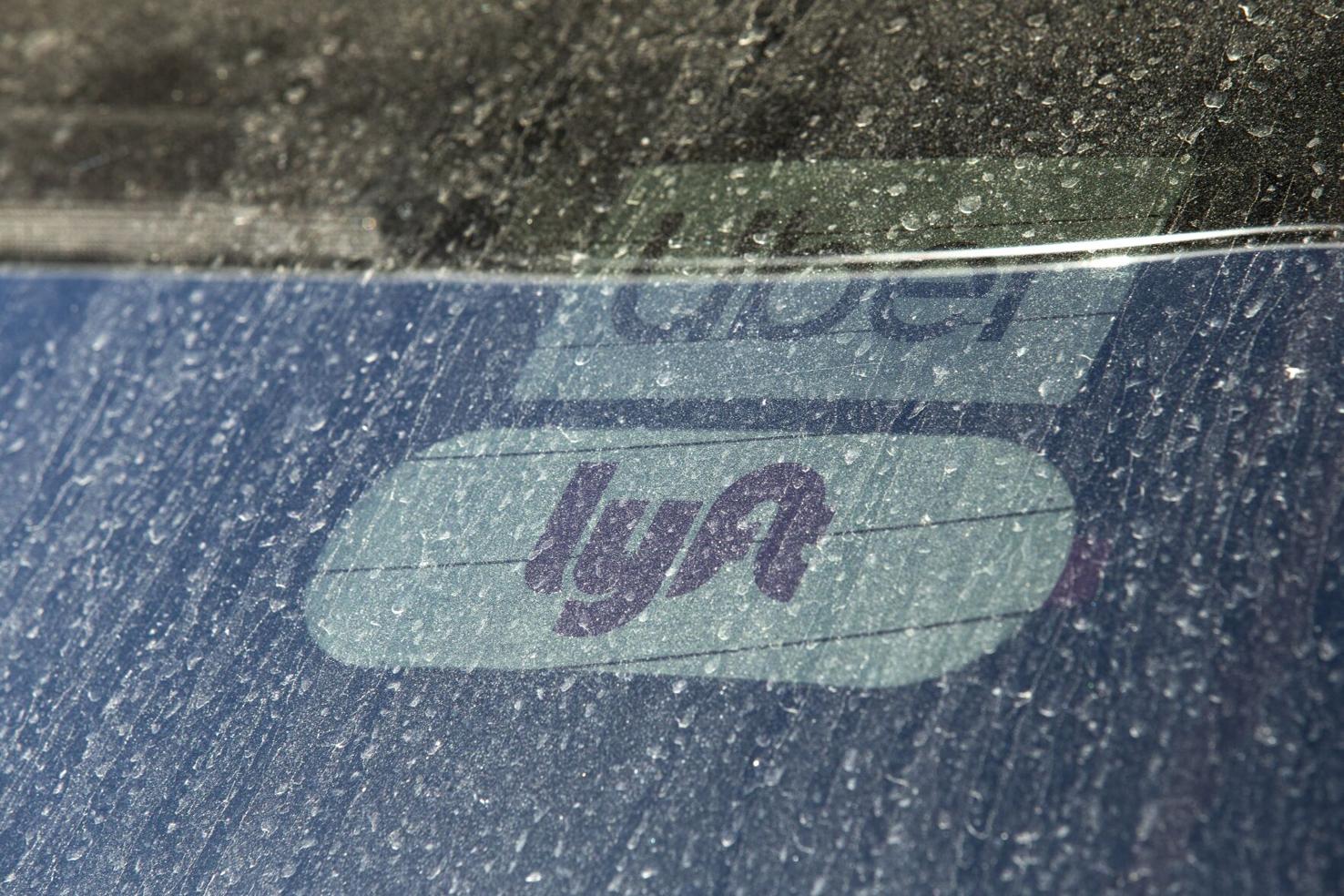
Calling a ride in Toronto is an overpriced mess. Here’s how to fix it
Toronto’s ride-hailing industry is a mess right now. The signs of strain are plastered over social media. Recently, when a Lyft passenger told reporters about how she was stranded in Toronto after refusing her driver’s request to pay cash instead of the app fare — she was charged $62, and he would have gotten $18 — readers piled on to report similar experiences. During a July downpour, a rider complained UberX was asking three times the usual rate to get him to Union Station. In October, ride-hail drivers erupted into wildcat strikes at Pearson Airport twice, protesting plummeting earnings after the introduction of AI-based pay.
Read the full article here.

Keldon Bester: The Google case shows Canada’s Competition Bureau is meeting the moment
Last week, Canada’s Competition Bureau sued Google, one of the largest companies on the planet, for abusing its dominant position in online advertising, a market that touches nearly every corner of the economy.
Though the case alone is news, more important is the growing trend of the Competition Bureau shifting its focus to where competition matters most for Canadians amid an ongoing cost of living crisis.
Read the full article here.