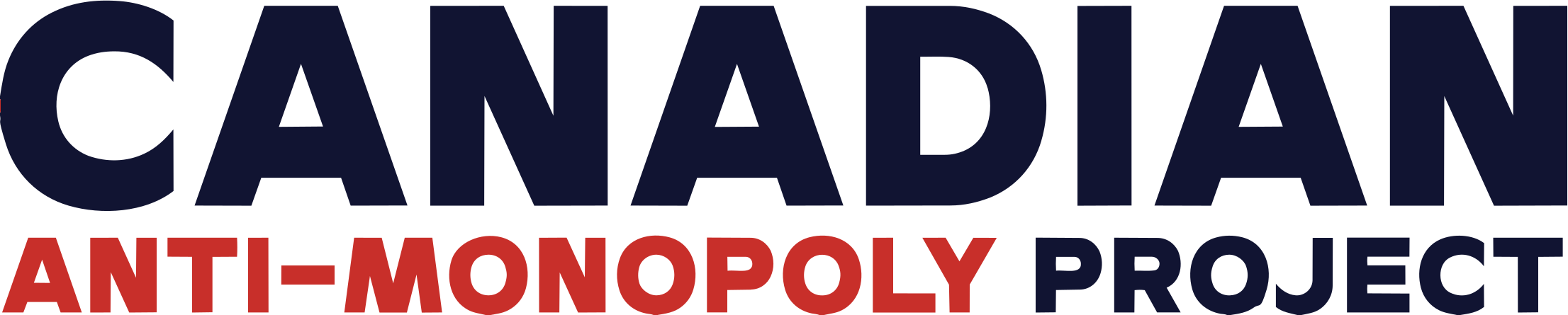

Four years into Canada’s cost-of-living crisis, grocery bills are still climbing and the fallout from global disruptions promise more of the same. But how the cost of these economic shocks land on Canadians depends on the structure of domestic markets.
Canada’s grocery market is dominated by three domestic chains and two American giants, holding roughly 80% of national market share. Discount brands that should be competing are instead flanker brands of the major grocers. Decades of consolidation have removed choice from the market and practices that lock in the power of incumbents like property controls and exclusivity arrangements remain largely unchecked.
It doesn’t have to stay this way.
In our new brief, CAMP lays out a policy roadmap for more grocery competition in Canada. Federally, it means focusing the efforts of the Competition Bureau, ensuring customers can trust what they see on the shelf, and investing in alternative food system infrastructure. Provincially, it means banning property controls and relaxing zoning rules, rolling back exclusivity arrangements and supply chain kickbacks, and prohibiting opaque personalized pricing on staple goods.
New entrants, domestic or foreign, private or public, can help. But they’re no substitute for opening up competition in grocery across the country.

Subscribe to Letters from CAMP
Stay up to date on CAMP’s latest news, work and opportunities to get involved.
By subscribing, you consent to our Privacy Policy and to receive communications. You can unsubscribe at any time.
Stay Connected
Donate
Your contribution supports CAMP’s efforts to create a more democratic economy that works for all Canadians.