

Andrew Paulley is a PhD student in Economics at the University of Toronto and a CAMP fellow
Though the fanfare was dedicated to investment and literacy commitments, the federal government’s National Artificial Intelligence Strategy released last week contained a bit of an Easter egg. Tucked away in the first chapter was a commitment to “strengthen [Canada’s] privacy laws to ensure that Canadians’ personal information is not used inappropriately, including for surveillance pricing.”
Whether you call it surveillance, personalized, or algorithmic pricing, the ability to offer a single price to a single consumer is on the rise in Canada and people are not happy. When described accurately, over half of Canadians want the practice banned outright, and another 30% want it allowed only if regulated.
At the risk of generalizing, those opposed to surveillance pricing say it’s unfair for two people purchasing the same product to be charged different prices based on calculations made with unknowable variables fed by personalized data purchased or collected by the company offering you the price. Those in favour argue that this data simply enhances a merchant’s ability to help you shop and save, better matching you with discounts that reflect your shopping habits and personal characteristics.
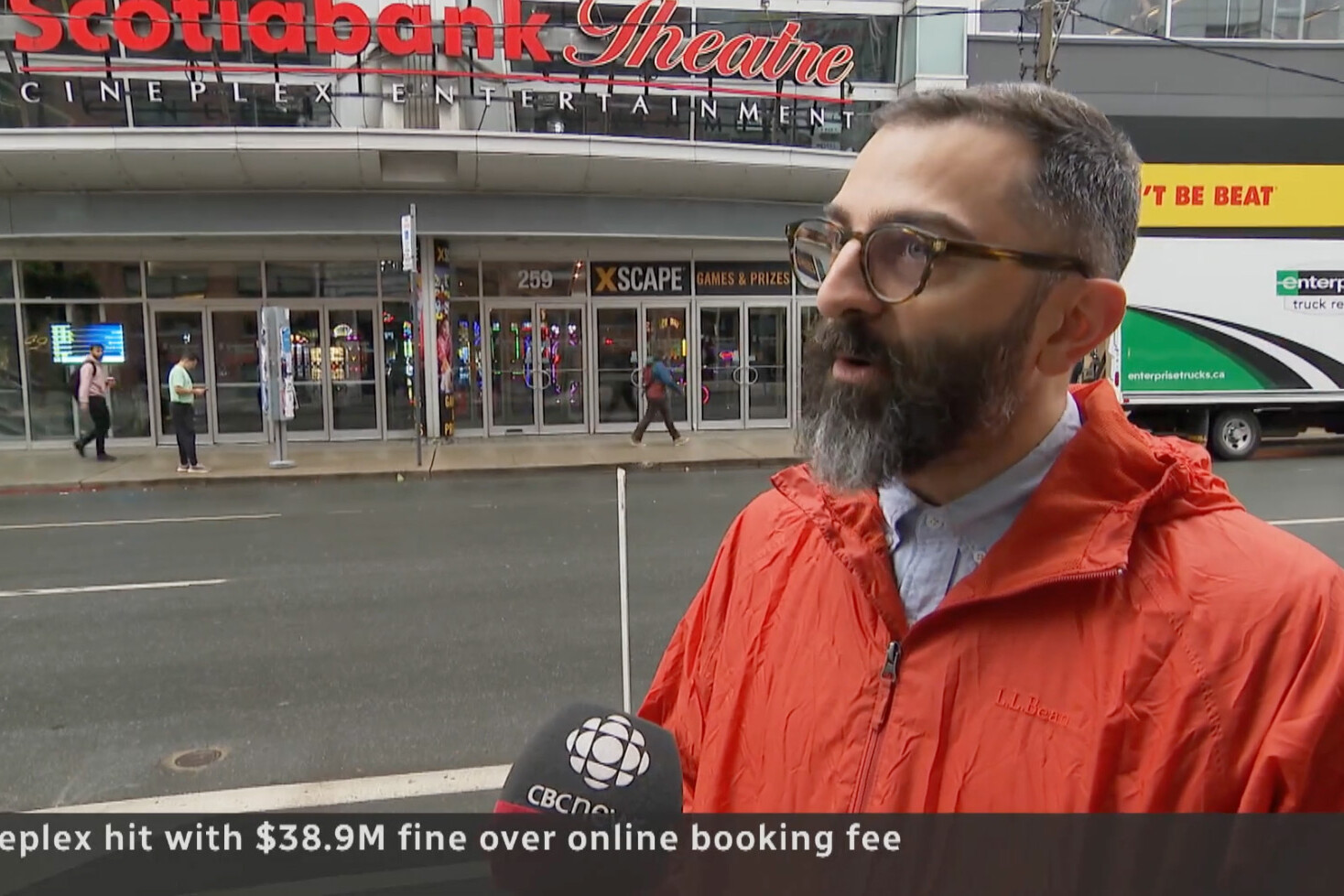
Part of the arguments in favour has been an attempt to group surveillance pricing with any instance of price discrimination as its called in the field of economics. Today, people pay different prices for the same thing all the time. The senior’s discount at Cineplex, the student rate at the Royal Ontario Museum, the free fare for kids on the bus. Canadians are not strangers to the full suite of coupon-clipping and loyalty programs for businesses and transactions of all kinds.
But there is a critical distinction between the yesterday and today’s price discrimination, and we’re approaching a tipping point where the deck starts being stacked against consumers.
Economists classify price discrimination in multiple forms. Third-degree price discrimination, the senior’s-discount variety, uses a single data point, usually directly observable, and offers each a different price. Students pay less because, on average, they are more price-sensitive. The boundaries are clear and transparent. You either qualify or you don’t, and everyone looking at the board knows the rules. Second degree price discrimination uses quantity as the defining variable, adjusting prices based on how much a shopper buys.
First-degree price discrimination, truly personalized pricing, is different. In the textbook ideal, the seller, through a large amount of data, can precisely determine each buyer’s maximum willingness to pay and charges exactly that amount. Until recently this was a theoretical result. No grocery clerk could know you would pay $7.49 for peanut butter while your neighbour would pay only $5.99. But pricing models trained on browsing histories, postal codes, devices, and loyalty data have made personalized pricing operationally feasible. Uber charges different prices to different people for the same trip; delivery companies like Instacart offer food prices that vary by user, and Walmart is gearing up to start setting individual prices online.
The consequences of the move from third- to first-degree price discrimination are clear. Under third-degree price discrimination consumer surplus, the economic term for the gap between what consumers would be willing to pay and the price they actually pay, is preserved within each group. In the case of the seniors discount, full-price patrons get their usual surplus above the posted ticket price and seniors who might otherwise stay home are drawn into the market. The producer surplus, or profit, generated by the theatre increases, but it’s a win-win that benefits both sides of the equation.
First-degree discrimination on the other hand is consumer surplus consuming. With perfect personalization, every dollar of consumer surplus is transferred to the producer. Before, you could enjoy an ice cream on a hot June day for $5 when you would have paid $10, netting you $5 of consumer surplus. The regular price is so low compared to the value you place on it, you might even buy two. But first degree price discrimination, the ice cream shop knows you were willing to pay $10 for the first ice cream, adjusts the price accordingly, and captures that surplus itself.
The firm’s ability to know more about you than you know about them means you’re in an unfair fight over how surplus value is allocated. Economic terminology aside, Canadians are now all too familiar with the visceral feeling of the shrinking value for money, a feeling set to be supercharged if surveillance pricing expands without proper guardrails.
Real-world algorithms may not achieve textbook perfection, but they don’t have to. Even imperfect personalization shifts value from consumers to companies, likely with you none the wiser. Unlike a senior’s discount, the rules around personalized prices are unknowable to the average consumer. You don’t know what led to the price you’re shown, and you don’t know what prices are being shown to others. The discrimination operates against your information rather than alongside it. Under this unbalanced set up, it’s no surprise Canadians are so skeptical that these pricing tactics will be used in their interest.
We need to tip the scales back towards the interests of consumers. More than just an Easter egg, a strong approach to surveillance pricing from the federal government would force companies to be transparent about their use of personalized pricing, and define what data can and cannot be collected or used to set prices between Canadians.
Canadians have long accepted that different people can pay different prices for the same goods and services, but that deal came with a trade-off of transparency and fairness. Today that deal is breaking down. Without action, Canadians will find themselves on the wrong side of this impersonal personalization at checkout.

Subscribe to Letters from CAMP
Stay up to date on CAMP’s latest news, work and opportunities to get involved.
By subscribing, you consent to our Privacy Policy and to receive communications. You can unsubscribe at any time.
Stay Connected
Donate
Your contribution supports CAMP’s efforts to create a more democratic economy that works for all Canadians.